Commitment Beyond Natural Diamonds: Namdeb’s Role In Safeguarding Namibia’s Ecosystem
As the world unites under the theme “Inspired by Nature. For Climate. For Our Future,” World Environment Day 2026 reminds us that nature is not optional, it is central to climate resilience and our collective future. Namdeb’s commitment to the preservation of the brown hyena through the Brown Hyena Research Project exemplifies this vital truth and reinforces Namibia’s international leadership in wildlife conservation. As one of Africa’s most biodiverse nations, Namibia’s semi-arid ecosystems are particularly vulnerable to climate impacts, making the protection of flagship species like the brown hyena essential to maintaining ecological balance and biodiversity.
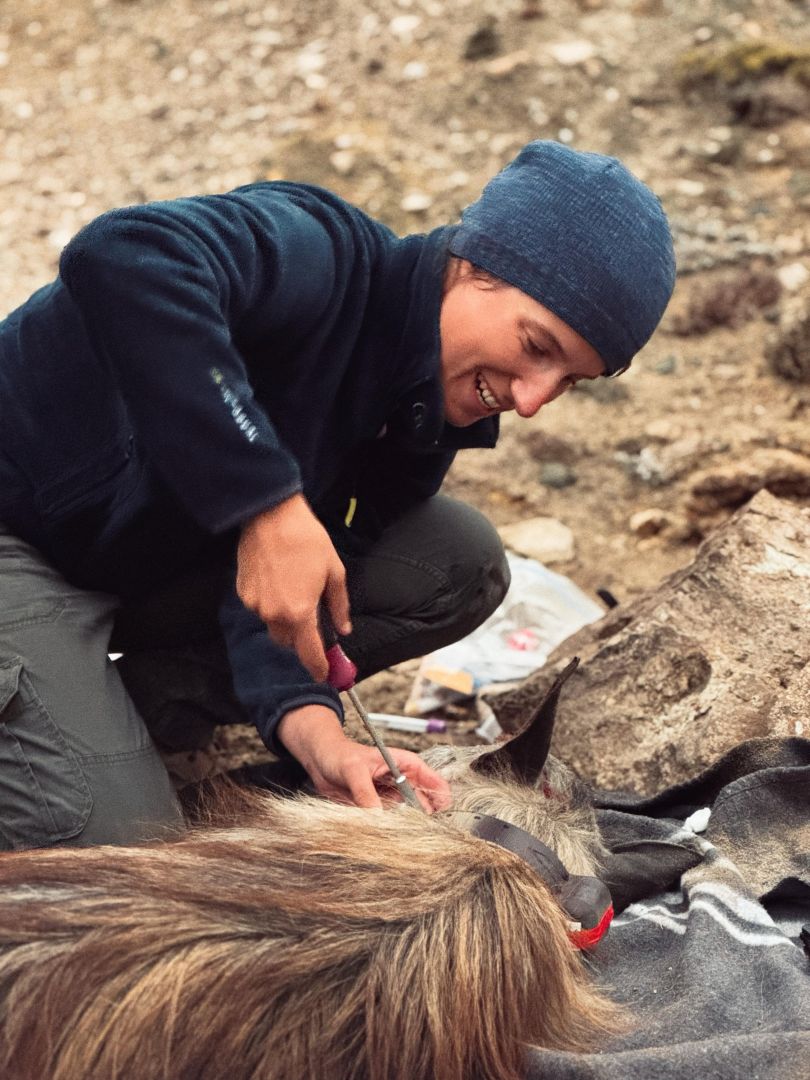
The Brown Hyena Research Project (BHRP), based in Lüderitz, Namibia, is a pioneering conservation initiative dedicated to studying and protecting one of Africa’s most elusive carnivores, the brown hyena. Through innovative methods like GPS tracking, camera traps, and genetic sampling, the project has revealed critical insights into the species’ behavior, ecology, and role in sustaining fragile desert ecosystems
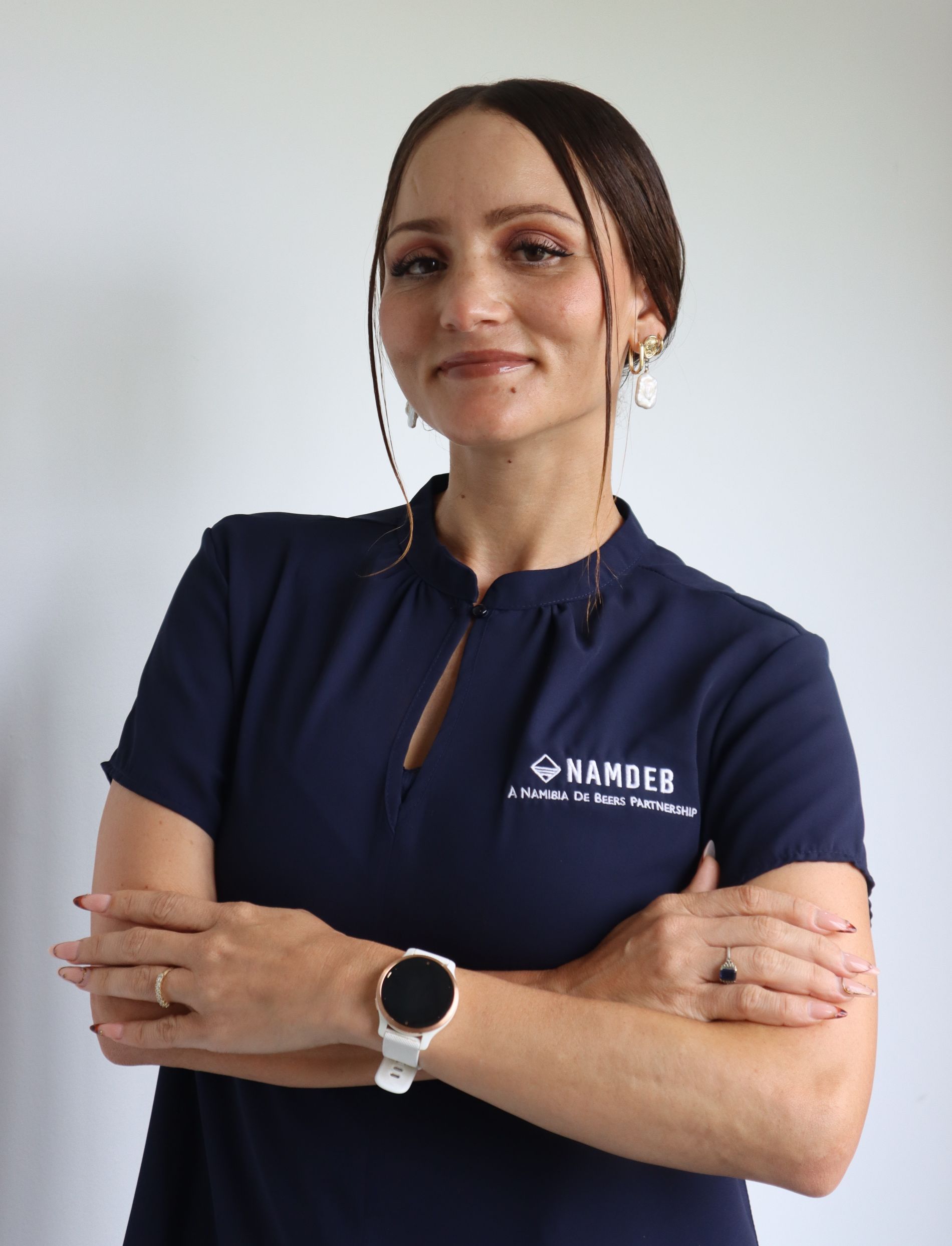
Dr. Marie Lemerle, the on-site researcher, shares that estimating the population of brown hyenas in Namdeb’s mining license areas is not straightforward. She says, “We estimate roughly around 200 to 300 brown hyenas in the whole of the Sperrgebiet, but their densities are closer on the coast than in the inland areas.” Many of the hyenas living inland still travel to the coast, particularly to seal colonies, in search of food. Thus, the importance of leaving corridors open by avoiding the erection of fences or busy roads along the coastline, as such barriers could threaten their survival.
While some mortality occurs due to human activity, particularly road kills caused by drivers, breeding success has kept the population stable since 1997. The relative lack of disturbance in the park has been key to this stability.
Namdeb has played a central role in the initiative and has, supported the BHRP in partnership with Namibia’s Ministry of Environment, Forestry and Tourism. The project has been working to address conservation challenges affecting brown hyenas and their primary prey species, the Cape fur seal. Dr. Marie acknowledges, “Namdeb is still the main sponsor of the BHRP, and its annual donations towards the project are very important to us.” Beyond financial support, Namdeb provided a 4×4 vehicle, which transformed fieldwork by replacing an unreliable older vehicle. Namdeb’s network has also helped secure research equipment, and their long-term commitment has been invaluable.
Dr. Marie’s research through the Project has primarily focused on Baker’s Bay, and they also monitor the clan at Elizabeth Bay, where hyenas have adapted to the ghost town, even using old pipes as dens. At the Pocket Beaches near Bogenfels and Chameis, she observes more transient individuals, supported by GPS collar data and camera traps. In contrast, Karingarab shows far fewer signs of hyena presence, with activity mostly concentrated along the Rotkop road, which serves as a corridor and at times a boundary.
Collaboration plays a vital role in the project. She explains, “We do collaborate with several independent researchers or PhD students that are analysing our samples.” Current studies include examining heavy metals in hyenas, with promising preliminary results. Genetic research is also a priority, and volunteers, both local and international, regularly join the project for months at a time, contributing to fieldwork and data collection.
Conservation remains a pressing concern. She admits, “We do not know the exact population of the brown hyena in the country.” Still, she emphasizes the importance of protected areas, noting that large carnivores like hyenas are vital to ecosystems yet highly sensitive to human disturbance. Their poor reputation often leads to persecution, making awareness campaigns crucial. She stresses that hyenas need vast, interconnected protected areas, as they can travel up to 90 kilometers in a single day in search of food.
At Baker’s Bay, years of observation have yielded remarkable discoveries. She describes finding “temporal partitioning,” where different clans visit the seal colony at different times, making daylight sightings possible, a previously unrecorded behavior. GPS collars revealed hyenas traveling over 90 kilometers to reach the colony, underscoring its importance. She also documented a female specializing in hunting adult seals, the first record of a brown hyena tackling prey larger than itself. Social dynamics are shifting following the death of one female, and further collaring is planned to study these changes.
Inland monitoring continues, with camera traps and GPS collars gathering baseline data to assess potential industrial impacts. Looking ahead, she hopes to expand genetic studies and deepen research in Namdeb’s Southern Coastal Area, in collaboration with UNAM. Her vision is clear, long-term, detailed monitoring to safeguard the brown hyena population and ensure its survival in a changing landscape.
*Dr. Marie Lemerle is the On-site Researcher with the Brown Hyena Research Project.