Creating a Mining Industry that works for Women of Tomorrow
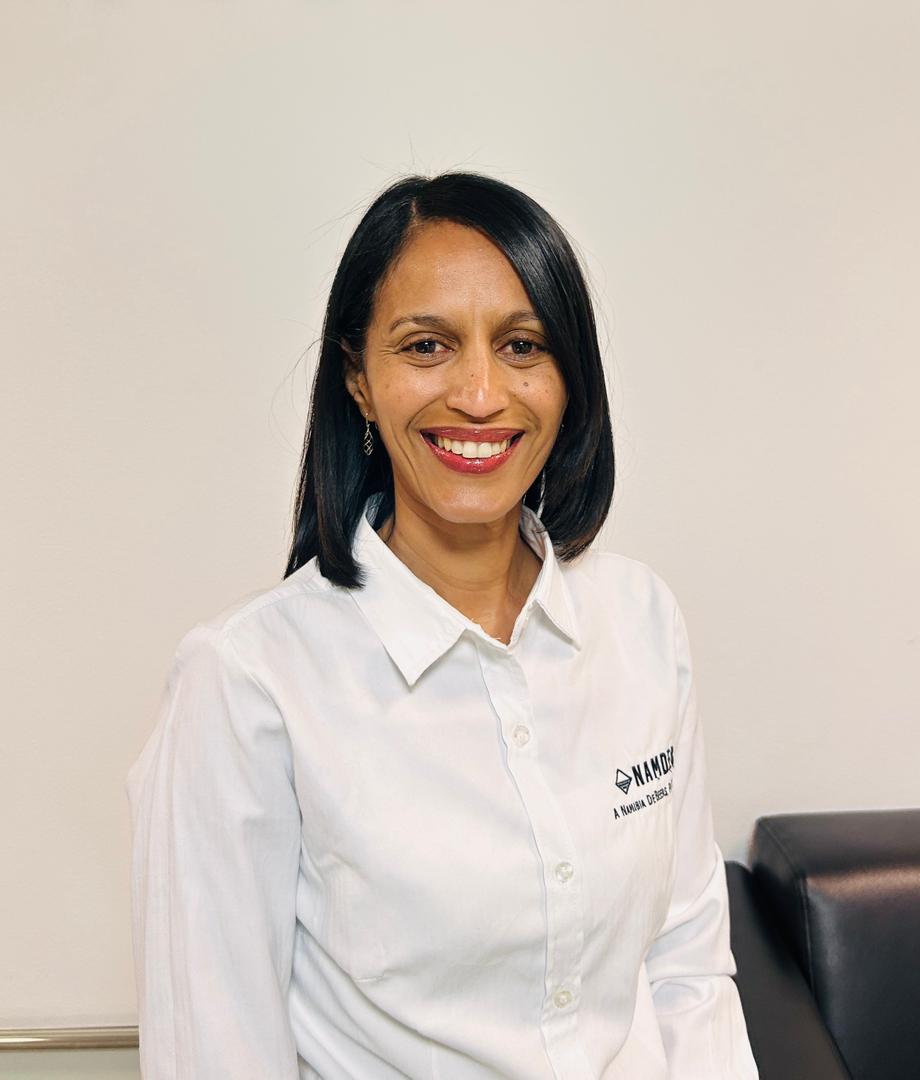
By Emmarencia Shanglee: Namdeb Project Manager – Strategic Projects
Does the statement “Mining is a male-dominated industry” still hold true? Statistically, yes. Women make
up only 15 to 19% of the global mining workforce, positioning the sector among the most
underrepresented industries for women worldwide. Yet numbers alone do not tell the full story. The
mining industry is evolving, and women are at the heart of that transformation.
To understand how far we have come, it helps to look back. Women have always been part of mining. For
centuries, they contributed both on the surface and underground, long before formal records fully
captured their participation. In some mining communities, female representation was once higher than
what we see today. So, what changed?
Well, over time, shifting social norms and new laws reshaped the sector. The Mines and Collieries Act of
1842, introduced in the United Kingdom, prohibited women and children from working underground.
While the intention was to protect women from dangerous working conditions, the long-term impact was
significant. Mining gradually became viewed as a “man’s world”, and generations of women were
excluded from opportunities in the sector. It was only in 1989, nearly 150 years later, that women were
legally permitted to return underground.
Today, the narrative is different. Globally, women are stepping into roles that were once considered out
of reach, from operating heavy machinery to working as artisans, engineers and executives. Although
representation remains low, progress is visible. Women are not only participating, but they are also
leading, innovating and influencing how the industry evolves.
As we mark 115 years of International Women’s Day, it is important to reflect on the generations of
women who paved the way, challenging barriers and advocating for equal opportunity in spaces where
they were once excluded. Their resilience created pathways that many of us walk today. At the same time,
meaningful progress has also been accelerated by male allies, leaders and colleagues who recognise the
value women bring, not as tokens, but as capable professionals, innovators and change makers.
A clear example of the progress of women, can be seen here in Namibia. As one of the largest contributors
to the national GDP, mining remains a cornerstone of the Namibian economy and a major source of
employment. It is encouraging to see more young women enrolling in Science, Technology, Engineering
and Mathematic (STEM) fields, more Namibian women taking up technical roles, and an increasing
presence of women in boardrooms and strategic decision-making spaces. Progress in Namibia has been
strengthened by organisations such as WiMAN, along with colleagues and leaders who support inclusion,
provide mentorship and help create environments where women can truly thrive.
Namibia is home to remarkable women who continue to shape the mining sector. The Honourable
Minister Inge Zaamwani‑Kamwi, former Namdeb CEO, helped transform the diamond industry and now
leads the Ministry of Agriculture, Fisheries, Water and Land Reform. Maenge Shipiki‑Kali rose from
Metallurgist to Debmarine Namibia’s first female vessel manager and now serves as its Chief Operating
Officer. Liezl Davies became the first woman General Manager of Operations at Rössing Uranium and now
oversees Human Capital, Safety and Sustainability. Zenzi Awases began her career as a geologist and now
serves as President of AWIMA and WiMAN, driving gender inclusion across Africa. Wollen Nell advanced
from Metallurgist to leading Namdeb’s Safety, Health and Operational Risk department. These women
represent only a few examples of Namibian women whose expertise, resilience and leadership continue
to transform the mining sector.
As we celebrate progress, we must acknowledge that the journey is not yet complete. Representation in
numbers highlights that barriers still exist. Creating an industry that works for all requires continued
commitment, not only from women, but from organisations, policymakers and allies who understand that
inclusion strengthens performance and sustainability.
In Namibia and across the globe, the focus should be on investing in the next generation, encouraging
girls to pursue STEM, and showing them that mining is not a distant or unattainable career, but one where
they belong.
As we celebrate International Women’s Day under the theme “Rights. Justice. Action. For ALL Women and
Girls”, let it be a reminder that progress requires intention. The challenge is for us, in our workplaces, in
our communities and at home, to ensure that rights are upheld in practice, that justice is reflected in
everyday decisions and that action is continuous and intentional.
The landscape of mining is changing globally. Women are not simply part of the workforce, but central to
its growth and innovation. It is an exciting journey to witness and be part of. Namibia has made meaningful
strides, and it is our responsibility to build on that foundation. By continuing to act together, the mining
industry can become known for those who were empowered rather than those who were left behind.